Puma Fuse 3 Review: A Strong, Stable, and Affordable Training Shoe for Lifters and CrossFit Athletes

When it comes to training shoes, stability, comfort, and durability are key. The Puma Fuse 3 has entered the market as a bold step forward in Puma’s performance line, building upon the lessons of the Fuse 1 and Fuse 2.
As a fitness enthusiast who’s constantly testing training footwear, I wanted to know whether the Fuse 3 could finally stand out as a top-performing shoe for lifters, cross-trainers, and CrossFit athletes.
After weeks of testing—lifting over 400 pounds, performing sprints, jumps, and daily wear sessions—I’ve gathered a comprehensive perspective on this model. In this detailed Puma Fuse 3 review, I’ll break down its pros, cons, performance in different workout scenarios, construction, and who it’s best suited for.
Pros of the Puma Fuse 3
1. Reworked Sole for Enhanced Stability
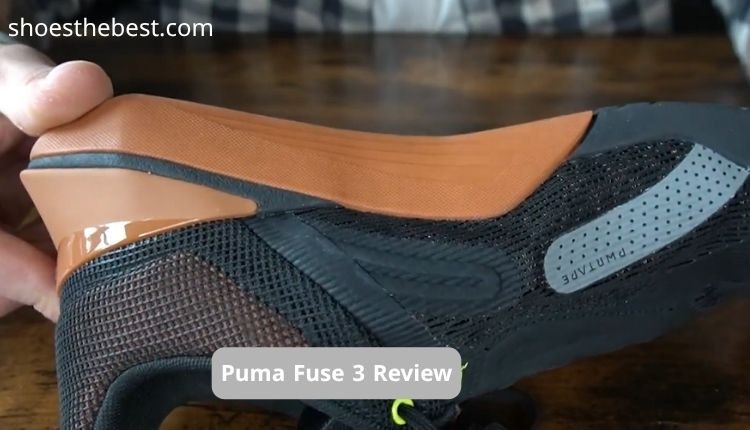
One of the most noticeable improvements in the Puma Fuse 3 is its redesigned midfoot and heel. Unlike the Fuse 1 and 2, which sometimes felt flimsy during heavy lifts, the Fuse 3 offers a much sturdier foundation. The midfoot and heel provide extra structure, resulting in better balance under heavy loads.
From a lifting standpoint, the Puma Fuse 3 performs exceptionally well. Whether I was deadlifting over 500 pounds or squatting past 400, the shoe held up impressively. The dense foam in the heel delivers firm support, while the pliable foam in the forefoot allows for natural movement during explosive exercises.
This balance between stability and flexibility makes the Fuse 3 a reliable training companion for athletes who alternate between heavy lifts and dynamic movements.

2. Great Versatility for Lifting and Cross-Training
Finding a shoe that balances lifting performance and agility training can be challenging. The Puma Fuse 3 bridges that gap with a dual-density midsole—rigid in the heel for stability, softer through the midfoot for mobility.
During workouts that included jump rope, box jumps, and broad jumps, I appreciated how the forefoot flexed naturally. The shoe didn’t feel restrictive or overly stiff. If you’re someone who mixes strength training with functional fitness or short CrossFit circuits, the Fuse 3 offers the best of both worlds.
3. Improved Upper Construction and Durability
Another highlight of this model is the revamped upper. Puma reinforced the Fuse 3 with a more structured mesh and textile design. The lateral overlay provides additional support during side-to-side movements, while the power tape strip on the medial side enhances lockdown and stability.
Compared to earlier versions, the materials feel more premium and heavy-duty. The toe box and midfoot areas—previously known for wearing out—are now much more resistant to abrasion. Overall, the Fuse 3’s upper feels like a long-term investment that can withstand intense training sessions.
Cons of the Puma Fuse 3
1. Narrow Toe Box
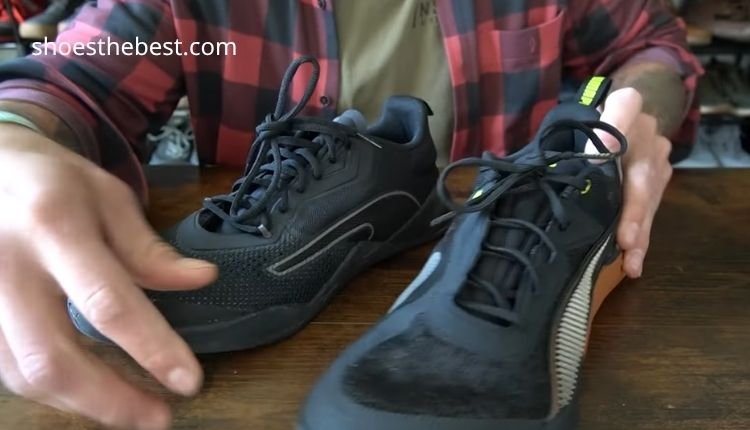
The biggest drawback of the Puma Fuse 3 is its tight toe box. Out of the box, the shoe feels quite snug—almost uncomfortably so, especially for wide-footed athletes. Although it breaks in after about a week, those with E or EE-width feet may still find it restrictive.
If you prefer shoes with a natural, anatomical toe shape, you might want to proceed cautiously. Try them on before committing, as this could make or break your comfort during workouts.
2. Reduced Flexibility Due to Heel Reinforcement
The stiffer heel design improves lifting stability but slightly compromises versatility. While short sprints and plyometric workouts feel fine, longer runs (over one mile) become less comfortable.
The blocky heel design gives a more rigid feel, which may not appeal to those who enjoy hybrid workouts that include more running. Puma has clearly prioritized lifting performance here, so if you’re seeking a running-focused trainer, you might look elsewhere.
3. Heavier Weight
At around 15 oz (size 10), the Puma Fuse 3 is noticeably heavier than many modern training shoes. For those who prefer lightweight, sock-like sneakers, this model might feel bulky at first.
However, for athletes used to lifting-focused trainers, the extra weight translates to stability. Still, it’s not ideal for long cardio sessions or high-speed agility drills.
Puma Fuse 3 Performance Review
Lifting Performance
The Fuse 3 shines brightest under the barbell. Thanks to its dense heel foam and stable midfoot, it performs like a powerhouse for heavy squats, deadlifts, and Olympic lifts.
The Puma Grip outsole ensures solid traction on rubber gym floors, turf, and wooden platforms. Even when pushing heavy weights, the shoe maintains composure with minimal midsole compression.
For general strength training, this model is an excellent choice—it feels secure, supportive, and durable.
Cross-Training and CrossFit
When it comes to cross-training, the Puma Fuse 3 delivers a strong performance overall. The flexible forefoot supports explosive drills like jump squats and box jumps. However, its heavier weight might be noticeable during longer circuits.
I found that the reinforced upper provided solid lateral stability during side lunges and quick transitions. Still, wide-footed athletes might experience some discomfort or “spilling” over the edges during multidirectional movement.
If you don’t mind a heavier shoe, you’ll find that its blend of stability and flexibility works quite well for moderate CrossFit workouts.
Running and Sprinting
For short-distance runs and sprints, the Fuse 3 feels responsive enough—especially when landing on the forefoot. However, once you move beyond 1 mile, its rigid heel and weight start to make an impact.
If your workouts involve frequent running intervals, a lighter model like the Reebok Nano X4 or Nike Metcon FlyEase might be a better fit.
Daily Wear
For casual or daily use, the Puma Fuse 3 performs decently but not exceptionally. It’s fine for running errands or wearing to the gym, but due to its weight and snug width, it’s not the most comfortable all-day shoe.
If you want something to wear from morning to night, models like the RAD One or TYR Trainer offer a more forgiving experience.
Sizing and Fit
Most athletes should go true to size in the Puma Fuse 3. I have an E-width foot and found them snug initially, but they loosened after a couple of tough sessions.
If you have EE or wider feet, consider going up half a size or testing them in-store before purchasing. Those with medium or narrow feet will likely find a perfect glove-like fit.
“Read Also: Training / Crossfit Shoes Review“
Weight, Drop, and Insole
- Weight: 15 oz (size 10)
- Heel-to-Toe Drop: 4 mm
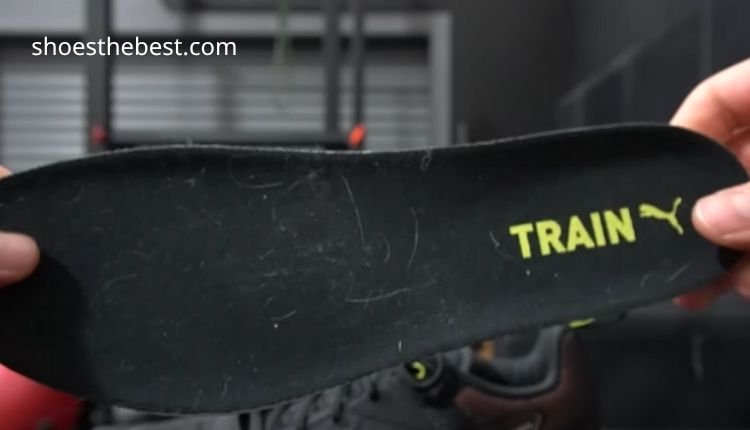
- Insole Type: Drop-in midsole (dual-density foam)
Removing the drop-in midsole results in a zero-drop experience, offering flexibility for athletes who prefer a flat training surface.
Construction Overview
The Puma Fuse 3 is built for strength and durability:
- Toe Box: Reinforced with a protective rubber wrap for added durability.
- Upper: Multi-layered mesh with synthetic overlays for support.
- Lateral Side: Puma stripe overlay enhances lateral stability.
- Medial Side: Power tape strip for medial lockdown.
- Tongue & Lacing: Gusseted padded mesh tongue with asymmetrical lacing for better fit security.
- Outsole: Full rubber Puma Grip with rigid sidewalls for traction and support.
- Heel: TPU clip for added stability during heavy lifts.
Every element feels thoughtfully designed to improve longevity and control during training.
Price and Value
The Puma Fuse 3 retails for $120, up from $100 in previous models. While it’s not the cheapest trainer, it still undercuts many competitors like the Nike Metcon 9 or Reebok Nano X4.
Given its premium materials and performance improvements, the Fuse 3 offers strong value for athletes who prioritize lifting and durability over lightweight speed.
“Read Also: Nike Metcon 10 Review“
Who Should Buy the Puma Fuse 3
- Lifters and Strength Athletes – If you focus primarily on weightlifting and strength training, this shoe delivers rock-solid stability and grip.
- Medium or Narrow Feet Users – Those with standard or narrower foot shapes will appreciate the snug, supportive fit.
- CrossFit and Functional Fitness Athletes – Ideal for hybrid workouts that mix lifting, jumping, and agility drills.
- Budget-Conscious Trainers – A great mid-range option offering premium construction without the premium price tag.
Who Should Skip the Puma Fuse 3
- Wide-Footed Athletes – The narrow toe box can feel restrictive even after break-in.
- Cardio-Focused Users – Not ideal for long runs due to its weight and heel rigidity.
- Fans of Lightweight Trainers – Those who prefer featherlight shoes might find this model too heavy.
FAQs About the Puma Fuse 3
1. Is the Puma Fuse 3 good for heavy lifting?
Yes. Its reinforced heel, dense midsole, and stable base make it excellent for squats, deadlifts, and Olympic lifts.
2. Can I run in the Puma Fuse 3?
You can run short distances or sprints comfortably, but it’s not suitable for long runs due to its weight.
3. Is the Puma Fuse 3 true to size?
Yes, go true to size if you have narrow to medium-width feet. Wide-footed users may need to size up or look for alternatives.
4. How durable is the Puma Fuse 3?
Very durable—the upgraded upper, reinforced overlays, and thick rubber outsole ensure it lasts through intense training sessions.
5. What’s the heel-to-toe drop of the Puma Fuse 3?
It features a 4mm drop, ideal for flat, stable lifting mechanics.
“Read Also: Inov-8 F-Lite Max Review“
Puma Fuse 3 Review: theConclusion
In summary, the Puma Fuse 3 is a clear improvement over its predecessors, delivering enhanced stability, durability, and support for lifters and cross-trainers alike. It may not be the lightest or most flexible shoe out there, but it holds its ground as a reliable, mid-tier performer that does its job exceptionally well in the gym.
If you’re an athlete who values stability, structure, and solid grip over running versatility, the Puma Fuse 3 might be your perfect match. Try it on, break it in, and you’ll feel why Puma is finally finding its rhythm in the training shoe arena.