Nike Phantom 6 Elite Low vs Phantom GX 2 Elite – A Complete Comparison of Nike’s Latest Football Boots

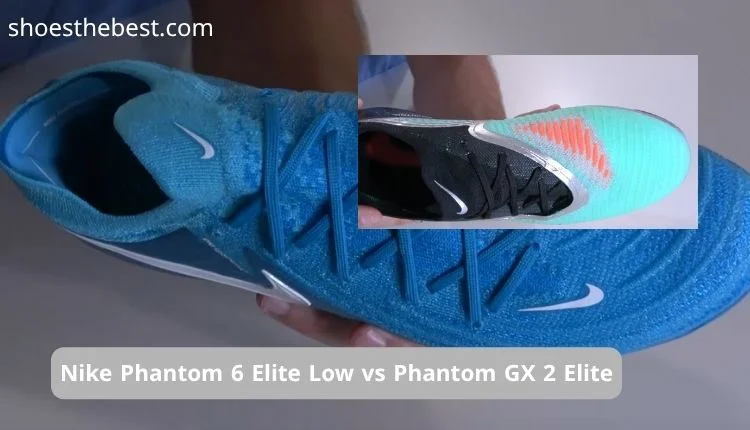
When Nike releases a new generation of its Phantom line, footballers around the world immediately want to know—has the brand truly innovated, or is it just a cosmetic refresh?
The debate surrounding the Nike Phantom 6 Elite Low vs Phantom GX 2 Elite perfectly captures this curiosity. Both boots share Nike’s premium technologies, feature the brand’s renowned Gripknit upper, and target players who rely on precision, control, and creativity.
But do the new Phantom 6 Elites actually improve upon the outgoing GX2s, or are they simply more expensive versions of the same shoe? After extensive testing and side-by-side analysis, this detailed review explores every major difference—from design, touch, and comfort to soleplate performance and fit—to help you decide which pair is worth your investment.
Price and Value for Money
Price is often the first factor in any gear decision, and in this case, the difference is notable. The Phantom GX 2 Elite launched with a retail price of $260, while the Phantom 6 Elite Low comes in at $290 for its debut colorway. Though that $30 jump may seem minor, it’s still significant considering both boots share much of the same core technology.
However, the GX2 is now an outgoing model, meaning it’s frequently available on sale—sometimes even under $200. That puts it at a strong advantage for players seeking top-tier performance without the premium launch price. In contrast, the Phantom 6 Elites are still in their early cycle and harder to find at discounts.
When comparing Nike Phantom 6 Elite Low vs Phantom GX 2 Elite, the GX2 undeniably wins on value right now. But once price normalizes and both hover around $260 in future releases, the Phantom 6’s added refinements might justify its extra cost for those seeking ultimate comfort and updated aesthetics.
Design and Aesthetics
Few topics divide footballers as much as boot design. The Phantom GX 2 Elite had a clean, rounded shape with subtle ridges and an asymmetrical lacing setup, giving it a modern but familiar appearance. Many players loved its simplicity and sleek profile.
The Phantom 6 Elite Low, however, sparked controversy at launch. Its layered panels, color-blocking, and bold ridges drew mixed reactions, with some calling it “ugly” or overly experimental. Yet, as with many of Nike’s past designs—the Mercurial Superfly 5 or Hypervenom Phantom 1, for example—initial skepticism often gives way to appreciation as new colorways emerge.
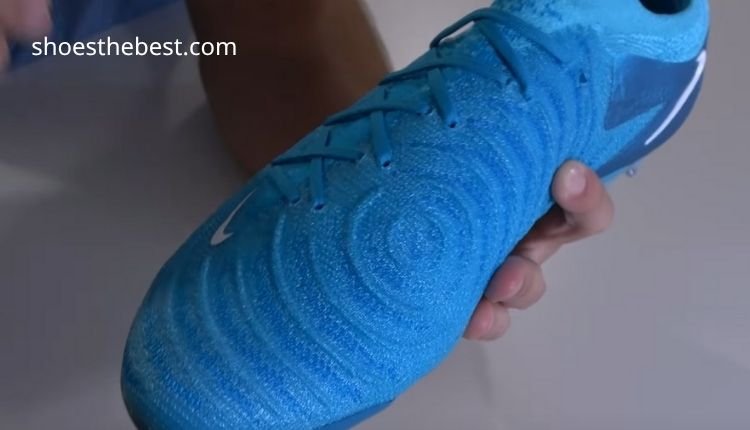
Nike clearly aimed to make the Phantom 6 stand out on the pitch. Its laceless-style lace cover, reminiscent of the GX1, gives it a futuristic look while increasing the surface area of Gripknit across the top. Whether you love or hate the aesthetic, it’s impossible to ignore that the 6 feels like a step toward Nike’s next design era.
“Read Also: New Balance Furon v8 Elite Review“
Materials and Upper Construction
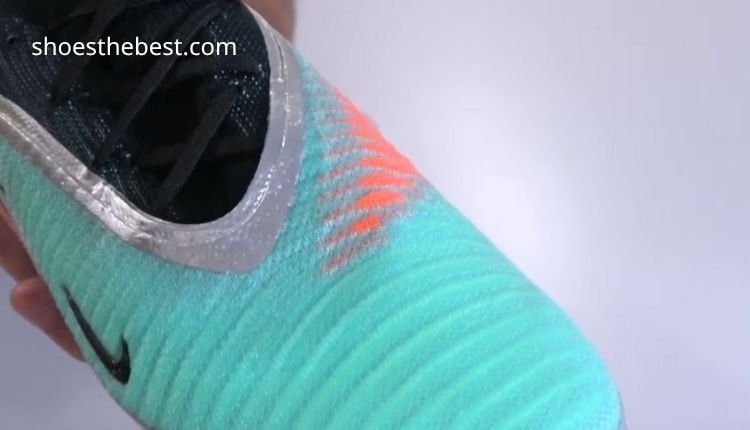
Both boots utilize Nike’s Gripknit technology, an advanced evolution of Flyknit that incorporates a tactile, grippy yarn for enhanced ball control. This material creates a silicone-like texture that improves friction and spin without adding bulky rubber elements.
On the Phantom GX 2 Elite, Gripknit spans from the midfoot through the toe box, creating a flexible and lightweight upper. The ridge design forms a “target zone” across the forefoot, but in reality, it’s more visual than functional. What you truly feel is that soft, elastic Gripknit wrapping your foot like a second skin.
The Phantom 6 Elite Low uses the same Gripknit foundation but introduces a straight-ridge pattern instead of curved ripples. The change is mostly cosmetic—touch and grip remain nearly identical. The real structural shift lies in the hooded lacing design, inspired by the original GX1, which subtly extends the Gripknit coverage area. This means slightly more ball-to-foot contact and a marginally cleaner striking surface.
In essence, the Phantom 6 doesn’t revolutionize the material—it refines it. Players moving from GX2 will feel right at home, with a touch more surface coverage and better midfoot integration.
“Read Also: PUMA Future 8 Ultimate Review“
Touch and Ball Control
When comparing Nike Phantom 6 Elite Low vs Phantom GX 2 Elite, one of the most crucial aspects is the feel on the ball. Both rely heavily on the Gripknit’s natural tackiness to provide excellent spin and control.
The GX2 offered fantastic grip without relying on external textures. Its flexibility allowed for precise touches and controlled dribbling, ideal for playmakers and forwards who prefer close ball contact.
The Phantom 6, while visually busier, retains nearly the same tactile feedback. The extended Gripknit area slightly improves consistency across the forefoot, but in real-world play, the difference is subtle. Nike’s biggest win is that the Phantom 6 maintains all the control benefits of its predecessor while offering a more balanced fit, leading to better overall comfort and responsiveness during quick movements.
So, while neither boot dramatically outperforms the other in ball touch, the Phantom 6 Elite Low edges ahead for those who want identical grip with improved foot shape and flexibility.
“Read Also: adidas Predator Accuracy Review“
Comfort and Fit: Nike Phantom 6 Elite Low vs Phantom GX 2 Elite
Comfort is where the Phantom 6 Elite Low truly shines. Though both models share similar knit materials and low-cut profiles, Nike adjusted the internal shape—or “last”—to create a more natural fit.
The Phantom GX 2 Elite had a slightly pointed toe box and narrower midfoot, which could feel restrictive for players with medium-to-wide feet. The Phantom 6, on the other hand, introduces extra width, volume, and roundness across the forefoot. This design change provides a more relaxed fit, reducing pressure points and improving comfort during long matches.
Both models have soft, low-structured heels that move with your foot, offering solid lockdown without discomfort. The break-in period is minimal on both, but the Phantom 6 feels ready-to-play straight out of the box.
Sizing remains true-to-size for most players, but those who found the GX2 a bit long may appreciate the Phantom 6’s more precise length. Simply put, Nike nailed the balance between snug performance fit and all-day comfort in the 6.
“Read Also: Nike Phantom GX2 Review“
Soleplate and Stud Pattern
One of the most significant updates between the Nike Phantom 6 Elite Low vs Phantom GX 2 Elite lies beneath your feet.
The GX2 used the same soleplate and stud layout as the Phantom Luna, featuring the Cyclone 360 stud system. This setup aimed to allow smoother rotational movement through a circular central zone, but in practice, many players found it too “clingy,” especially on firm or artificial ground. The plate also flexed awkwardly near the midfoot, which felt unnatural for some players.
Nike listened. The Phantom 6 introduces an entirely new soleplate design that flexes in the right spots—mainly under the forefoot—and feels more fluid and responsive. The new layout still includes the Cyclone 360 cluster but adds more conical studs for balanced traction. The result is a hybrid feel: aggressive grip when pushing off but smoother rotation when turning.
Players who disliked the GX2’s stiffness will instantly appreciate the Phantom 6’s softer, more adaptive soleplate. It’s one of the most practical and performance-enhancing changes Nike made this generation.
Weight and Agility
Despite the structural changes, the two boots are nearly identical in weight. A size 9.5 Phantom GX 2 Elite weighs around 6.85 oz (194 g), while the Phantom 6 Elite Low comes in at 6.8 oz (193 g)—a negligible difference.
This means Nike managed to enhance flexibility and comfort without adding any extra bulk. On the pitch, both feel fast, light, and well-balanced. The Phantom 6’s improved upper shape and flexible soleplate may give players a slightly more agile sensation when making quick cuts or sprints, but otherwise, their lightweight profiles are practically equal.
“Read Also: adidas Predator Elite FT 2025 Review“
Performance and Playability
When comparing Nike Phantom 6 Elite Low vs Phantom GX 2 Elite, performance is where subtle improvements become noticeable. Both boots deliver exceptional control, stability, and striking precision.
The GX2 remains a strong all-rounder—ideal for attacking midfielders and forwards who prioritize close control. Its fit, however, may feel too narrow for some players, and its stiff soleplate slightly limits flexibility during sharp movements.
The Phantom 6 Elite Low resolves both of those issues. Its re-engineered last improves balance and freedom through the forefoot, making it easier to pivot and accelerate. The redesigned soleplate enhances multidirectional traction without compromising comfort, creating a smoother, more responsive ride.
In short, the Phantom 6 refines everything that worked in the GX2 while addressing its biggest weaknesses. Players moving from GX2 to Phantom 6 will immediately notice the improved natural feel and shape, even if the performance difference seems minimal on paper.
Durability and Maintenance
Both models use high-quality Flyknit and Gripknit constructions that stand up well to wear. The Phantom GX 2 Elite, having been on the market longer, has proven its durability over time. Its upper maintains elasticity and grip even after months of use.
The Phantom 6, while new, feels just as robust. Its integrated lace cover offers added protection from dirt and debris, helping extend longevity. However, both models should be avoided on artificial turf when using FG studs to prevent excessive soleplate wear.
For long-term durability, both perform admirably, though players who prefer a more traditional exposed lacing setup might find the GX2 slightly easier to clean.
Which Boot Feels Better on the Field?
Choosing between the Nike Phantom 6 Elite Low vs Phantom GX 2 Elite ultimately depends on your personal priorities.
- Choose the Phantom GX 2 Elite if you prefer a tighter, more traditional fit and want to save money on a proven model that’s now available at discounted prices. It still performs at an elite level and remains one of Nike’s best all-around control boots.
- Choose the Phantom 6 Elite Low if comfort, flexibility, and fit are top priorities. It’s wider, softer, and offers a more natural movement pattern, with a modernized design and improved soleplate. Even though it costs a bit more, the enhancements in feel and comfort may make it worth the upgrade.
Both deliver world-class touch and control, but the Phantom 6 represents a more mature, evolved experience tailored to how modern players move on the field.
The Mid-Cut Variants: Phantom Luna 2 vs Phantom 6 High
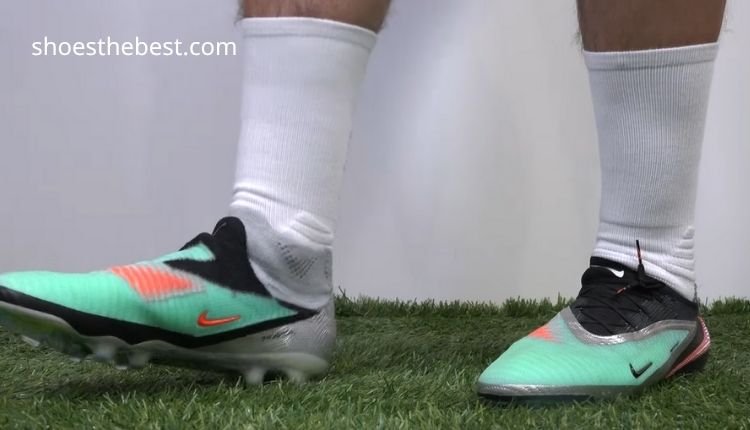
While our focus is the low-cut versions, it’s worth mentioning that both models also come in mid-cut variants. The Phantom Luna 2 Elite (the mid version of GX2) added a Flyknit collar around the ankle, offering slightly more compression but no real performance advantage.
The Phantom 6 Elite High, however, includes a lace cover and elasticated collar, giving it a laceless aesthetic and marginally more grip area. Unlike the Luna 2, the Phantom 6 High feels meaningfully different, both in design and comfort. Players who enjoy mid-cut support might find this new version a more justified upgrade.
Overall Verdict
After weeks of testing both pairs back-to-back, the results are clear:
The Nike Phantom GX 2 Elite remains an excellent boot, particularly for players on a budget. Its proven comfort, grip, and responsive feel make it a safe and affordable choice.
However, the Nike Phantom 6 Elite Low takes those same fundamentals and perfects them. The improved fit, flexible soleplate, and modernized design elevate the entire experience. For most players—especially those with wider feet—the Phantom 6 is simply the better boot.
If you value comfort as much as performance, the Phantom 6 stands out as one of Nike’s best evolutions in recent years.
Nike Phantom 6 Elite Low vs Phantom GX 2 Elite: the Conclusion
The battle of Nike Phantom 6 Elite Low vs Phantom GX 2 Elite proves how small design changes can make a massive difference in feel and performance. Nike didn’t reinvent the formula—they refined it. The Phantom 6 keeps the same DNA that made the GX2 popular but reshapes it for improved comfort, flexibility, and playability.
For players coming from the GX2, the Phantom 6 feels instantly familiar yet refreshingly better underfoot. While the GX2 still offers incredible value, especially on sale, the Phantom 6 Elite Low represents the next logical step forward for anyone seeking Nike’s most comfortable and responsive control boot yet.
In short:
- GX2 = Great value, classic control.
- Phantom 6 = Superior comfort, modern feel.
Whichever you choose, you’re stepping into one of the most advanced and well-balanced football boots Nike has ever produced.

James Walker is a professional writer and passionate football enthusiast who specializes in reviewing soccer cleats. With years of hands-on experience testing different models on various surfaces, he offers honest and detailed insights that help players choose the best cleats for their playing style and position. His reviews focus on real performance factors such as traction, comfort, ball control, and durability, making them valuable to both amateur and professional players.
Driven by a deep love for the game, James is committed to helping footballers find gear that enhances their performance and reduces the risk of injury. From world-famous brands like Nike, Adidas, and Puma to rising names in the market, his balanced and informative reviews are trusted by readers who want expert advice before buying their next pair of soccer cleats.